

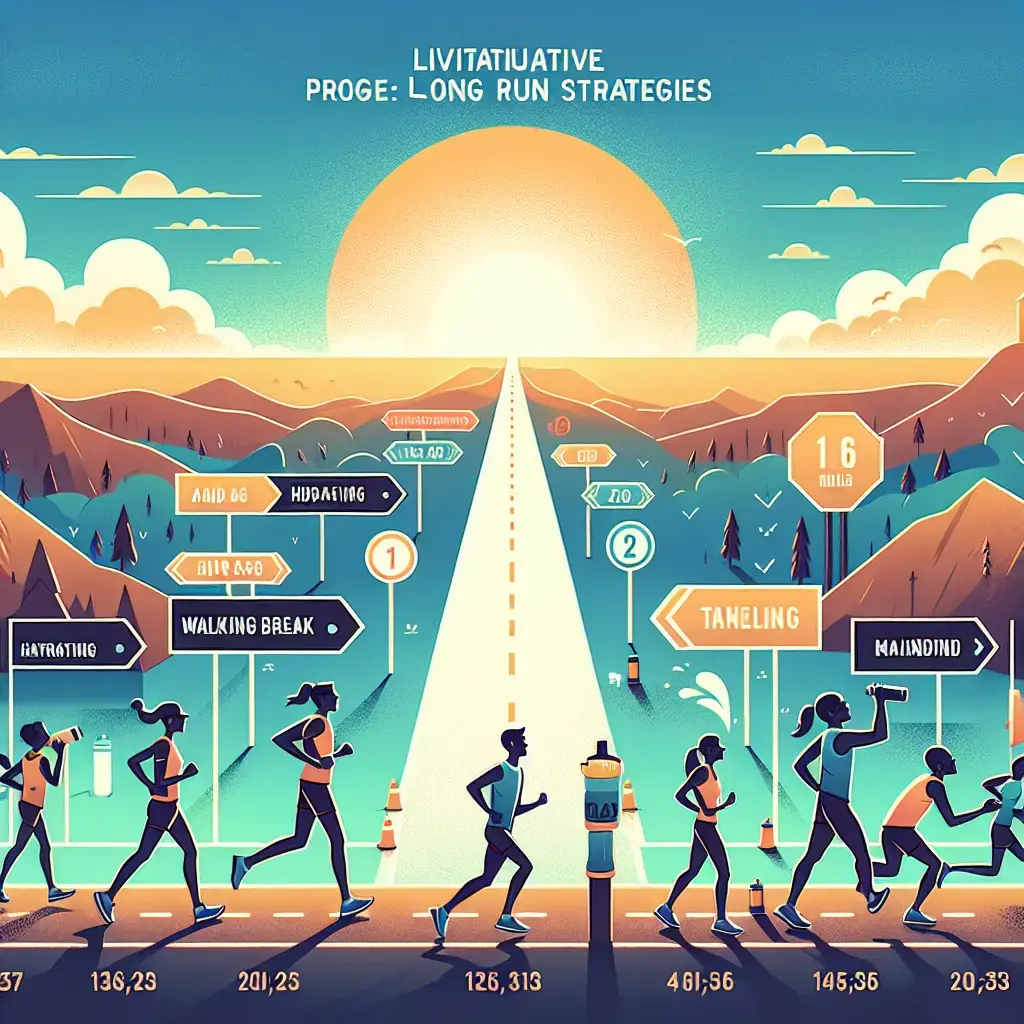
As the popularity of marathon running continues to soar, more athletes—both beginners and seasoned veterans—are seeking effective marathon training methods to enhance their performance and achieve their personal bests. A cornerstone of any successful marathon training plan is the implementation of progressive long run strategies. These strategies are essential not only for building endurance for marathons but also for increasing running stamina and improving marathon performance. By incorporating principles of progressive overload in running, athletes can push their limits safely and effectively, making strides towards their marathon goals.
The media coverage of marathon training has brought a wealth of information to the forefront, with marathon success stories and popular marathon training programs frequently highlighted. This media influence on marathon training provides runners with inspiration and practical tips on how to train for a marathon. Whether it's marathon training for beginners or those seeking advanced marathon training techniques, understanding and applying these marathon pacing strategies can be transformative.
Incorporating long run workout ideas into your routine is not just about running long distances; it's about smart, structured progression that aligns with your individual capabilities and goals. Marathon preparation strategies that focus on gradual increases in distance and intensity can help avoid injuries while ensuring steady improvement.
As we delve deeper into this topic, explore the best practices for marathon training that pave the way for success. Discover how you can enhance your endurance, fine-tune your pacing, and ultimately cross the finish line with confidence. Let's embark on this journey to uncover the secrets behind effective marathon preparation and achieving your personal running milestones.
Progressive Long Run Strategies for Marathon Training
In the ever-evolving world of marathon training, progressive long run strategies have become pivotal for athletes aiming to elevate their running performance. Whether you're new to marathon running or a seasoned participant seeking advanced techniques, understanding these strategies can make a substantial difference in your training regimen. Let's explore the intricacies of progressive long run strategies and how they can be effectively integrated into your marathon training plan.
Progressive long run strategies are grounded in the principle of progressive overload, a concept widely used in strength training and now increasingly applied in endurance sports. This method involves gradually increasing the distance, intensity, or frequency of your runs to stimulate adaptation and improvement in your cardiovascular and muscular endurance. By carefully implementing progressive overload in running, you can increase running stamina without risking injury—a key concern for marathon runners.
Key Benefits:
Injury Prevention: Gradually increasing your mileage allows your body to adapt over time, reducing the risk of overuse injuries.
Enhanced Endurance: Systematic progression helps build the endurance necessary for tackling the grueling 26.2 miles of a marathon.
Improved Pacing: By practicing long runs with varied intensities, you can better manage your pacing during the actual marathon.
Incorporating Progressive Long Runs into Your Training
To effectively integrate progressive long run strategies into your training, it's crucial to understand how to structure these workouts. Let's break it down:
Baseline Assessment:
Begin by determining your current fitness level. This involves understanding your comfortable long-distance running pace and the longest distance you can cover without overexertion.
Utilize current wearable technology to monitor heart rate, pace, and distance accurately.
Establishing a Training Plan:
Craft a marathon training plan that includes weekly long runs with gradual increases in distance. A common strategy is the "10% rule," where you increase your weekly mileage by no more than 10% to ensure safe progression.
Incorporate Varied Intensities:
Introduce variations in pace within your long runs. For instance, start at a comfortable pace and finish faster than you started, mimicking race conditions. This technique is known as "negative splitting" and is recommended by Running Coach Greg McMillan.
Scheduled Recovery:
Allow adequate recovery time between long runs to prevent burnout. Recovery strategies can include rest days, cross-training activities, and utilizing recovery tools like foam rollers or massage guns.
Media Influence on Marathon Training
The media coverage of marathon training has significantly influenced how athletes approach their preparation. Platforms like Runner's World and Marathon Training Academy offer marathon training tips, success stories, and updates on popular marathon training programs that cater to both beginners and advanced runners.
Impactful Media Examples:
Marathon Success Stories: Inspirational stories shared in publications encourage runners to push their limits while providing practical insights into effective marathon training methods.
Popular Programs: High-profile programs like those offered by Hal Higdon are frequently highlighted, offering structured plans that emphasize progressive long run strategies.
Case Studies and Success Stories
One notable example of successful implementation of progressive long run strategies is the story of amateur runner Sarah Liu. In 2023, Sarah followed a meticulously structured marathon training plan that focused heavily on incremental increases in her weekly long run distances. Her journey was documented in Women's Running Magazine, where she shared how applying these strategies helped her achieve a personal best at the Chicago Marathon.
Lessons from Sarah's Experience:
Patience is Key: Consistent, gradual increases allowed her body to adapt effectively.
Listen to Your Body: She emphasized adjusting her plan based on how her body responded to each increase in distance.
Best Practices for Marathon Training
As you refine your marathon preparation strategies, consider these best practices:
Set Realistic Goals: Tailor your goals to align with your fitness level and personal aspirations.
Stay Informed: Keep up with the latest research and articles on marathon training to ensure you're utilizing effective methods.
Community Support: Engage with running communities online or locally for support and motivation throughout your training journey.
In conclusion, understanding and implementing progressive long run strategies can transform how you train for a marathon. By focusing on incremental improvements and leveraging resources from credible media outlets, you'll be well-equipped to enhance your endurance and improve marathon performance. As marathon training continues to evolve, staying informed and adaptable is key to crossing that finish line with confidence.
In summary, integrating progressive long run strategies into your marathon training can significantly enhance your performance and endurance. Here are the key takeaways:
- Injury Prevention: Gradual mileage increases are essential for minimizing overuse injuries and allowing your body to adapt safely.
- Enhanced Endurance and Pacing: Systematically incorporating varied intensities in your long runs prepares you for the marathon's demands, helping you maintain a steady pace.
- Structured Training Plans: Start with a baseline assessment, apply the 10% rule for mileage increases, and include negative splitting for effective pacing.
- Recovery is Crucial: Balance intense training with adequate recovery to prevent burnout, utilizing tools like foam rollers and massage guns.
The media plays a pivotal role in disseminating marathon training insights and success stories that inspire and guide runners. Leveraging resources from platforms like Runner's World or Marathon Training Academy can keep you informed of best practices.
As illustrated by Sarah Liu’s journey, patience and listening to your body are fundamental. Her story underscores the value of incremental progress and adaptability in achieving personal bests.
As you embark on your marathon training journey, remember to set realistic goals, stay informed, and engage with supportive running communities. Your commitment to progressive long run strategies will undoubtedly prepare you to cross the marathon finish line with confidence.
We'd love to hear about your experiences and insights regarding marathon training. Have you tried progressive long runs? Share your thoughts and stories in the comments below. Keep pushing your limits and remember—every step takes you closer to your goals!



Leave a Comment