

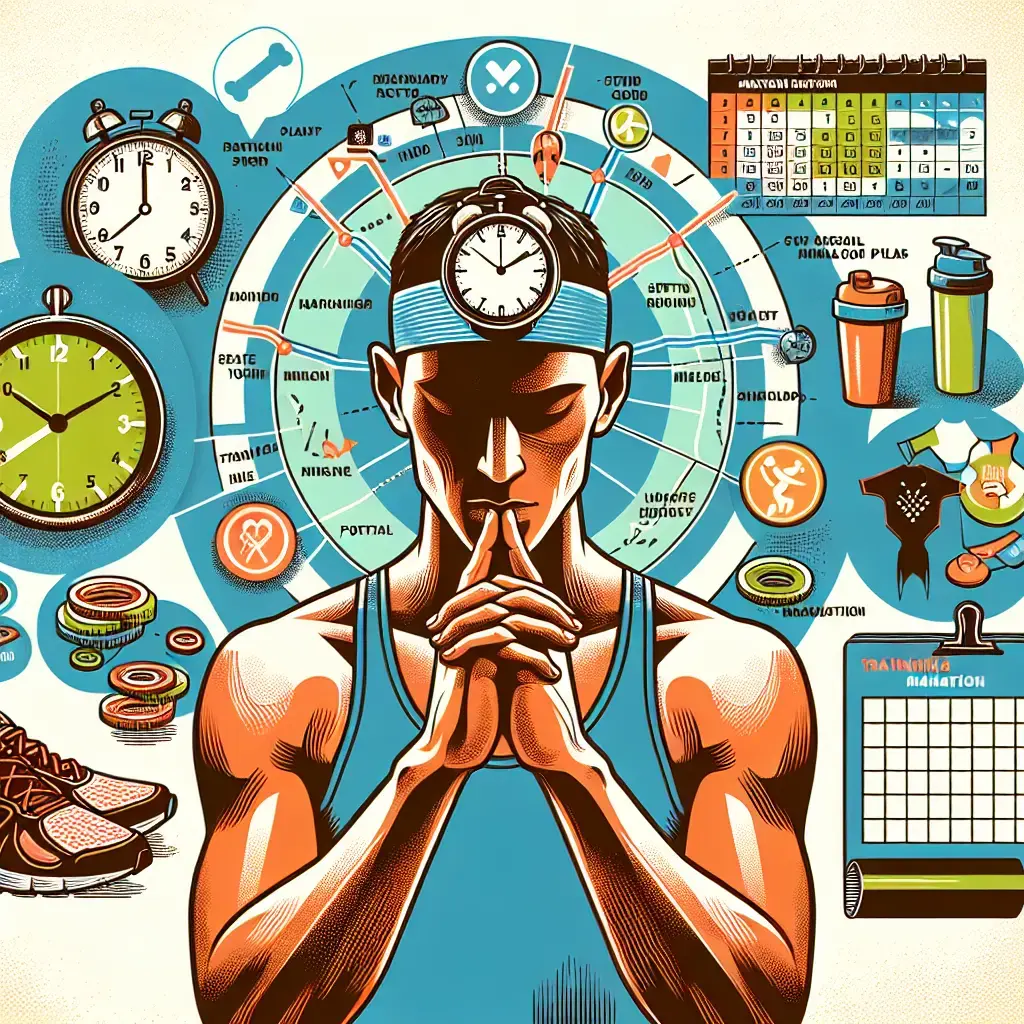
Running a marathon is as much a mental challenge as it is a physical one. For those embarking on the exhilarating journey of marathon training, mastering mental preparation for marathon success is crucial. It’s not just about logging miles; it's about fortifying the mind to endure the grueling demands of long-distance running. This is where marathon mental training techniques come into play, offering runners the tools they need to develop mental toughness in marathon training. Understanding how to mentally prepare for a marathon can make the difference between merely finishing and crossing the finish line with pride.
Adopting the right mindset for marathon training involves building mental endurance for marathons, overcoming mental barriers in marathon training, and employing visualization techniques for marathon runners. These strategies are essential for developing mental resilience for long-distance running. Focus techniques for marathoners, such as concentration tips and stress management in marathon preparation, empower runners to manage anxiety before a marathon, ensuring they remain calm and collected on race day.
Moreover, integrating meditation and marathon training into your regimen can enhance psychological preparation for marathon challenges. Positive thinking for marathon success and goal setting for marathon runners serve as powerful motivators, propelling you towards the ultimate finish line. With mental exercises for marathon preparation, runners can cultivate mental strength that not only supports physical performance but also offers profound mental health benefits of marathon training.
As you lace up your shoes and prepare for the journey ahead, consider these mental strategies for marathon runners to guide you. They will help transform your training experience and unlock your full potential, setting the stage for a deeper exploration of these techniques in the sections to follow.
Mental preparation for marathon training is a multifaceted process that equips runners with the psychological resilience necessary to tackle the grueling demands of long-distance running. This section delves into various marathon mental training techniques, drawing on recent insights and trends to offer runners actionable strategies.
Techniques for Building Mental Resilience
Understanding how to mentally prepare for a marathon involves cultivating mental endurance. This endurance is akin to physical stamina but focuses on maintaining motivation and focus during lengthy runs. A recent study published in the Journal of Sport and Exercise Psychology highlights the role of setting incremental goals during training. By breaking down the marathon distance into manageable segments, runners can build their confidence progressively, a technique that was instrumental for many athletes in the 2023 Boston Marathon.
Visualization has emerged as a powerful tool in psychological preparation for marathons. Elite runners often use this technique to mentally rehearse the race, envisioning themselves overcoming obstacles and crossing the finish line successfully. Visualization not only prepares the mind but also conditions the body to respond positively under stress. For instance, a survey conducted by Runner’s World found that 78% of marathoners who used visualization reported a significant improvement in performance and reduced anxiety levels.
Mental barriers can hinder even the most physically prepared athletes. Common obstacles include self-doubt and fear of failure. To overcome these, many runners incorporate positive affirmations into their training routines. Positive thinking for marathon success reinforces self-belief and enhances overall performance. An article in Psychology Today suggests using affirmations such as "I am strong and capable" or "Every step brings me closer to my goal" to combat negative thoughts.
Meditation is increasingly recognized as an effective method for enhancing focus techniques for marathoners. Incorporating regular meditation sessions into a training regimen can improve concentration, reduce stress, and boost mental resilience for long-distance running. According to a 2023 meta-analysis in the Sports Medicine Journal, runners who practiced mindfulness meditation reported improved focus and reduced pre-race anxiety, contributing to better performance outcomes.
Optimizing Performance with Mental Strategies
Managing anxiety before a marathon is crucial for optimal performance. Stress management techniques such as deep breathing exercises and yoga can help regulate emotions and maintain calmness. The American Psychological Association emphasizes the importance of a pre-race routine that includes stress-reducing activities, which has been shown to lower cortisol levels and enhance race-day performance.
Effective goal setting is another cornerstone of mental toughness in marathon training. Setting specific, measurable, achievable, relevant, and time-bound (SMART) goals provides a clear roadmap for progress and achievement. In 2024, many trainers advocate for a dual approach: setting both process-oriented goals (e.g., maintaining pace during training runs) and outcome-oriented goals (e.g., completing the marathon within a certain time).
Engaging in mental exercises can significantly bolster mental toughness. Techniques such as cognitive restructuring, where negative thoughts are identified and replaced with positive ones, can enhance mental resilience. Additionally, engaging in scenario planning—anticipating potential challenges during the race and developing strategies to overcome them—can prepare runners mentally for unforeseen circumstances.
Concentration is key during marathon running, where maintaining focus over hours is challenging yet essential. Practicing concentration drills during training runs can sharpen this skill. For example, focusing intently on breathing patterns or foot strikes can keep the mind engaged and prevent it from wandering into fatigue or discomfort.
Beyond enhancing performance, marathon training offers profound mental health benefits. Engaging in regular physical activity releases endorphins, which elevate mood and reduce symptoms of depression and anxiety. A comprehensive review in the Journal of Clinical Psychology underscores how marathon training can serve as an effective intervention for mental well-being, promoting a healthier mindset.
As you lace up your shoes for marathon training, consider integrating these mental strategies to transform your experience. From visualization techniques to meditation and smart goal setting, these approaches not only prepare you for race day but enrich your overall training journey, ensuring you cross that finish line with pride and resilience.
For more insights on building mental endurance for marathons, visit Runner's World. To explore meditation's impact on athletic performance, see the study featured in the Sports Medicine Journal.




Leave a Comment